Waina Chancy: Turning Haitian Heritage Into Wearable Art
Haitian-born designer Waina Chancy is shaping a bold new chapter in contemporary fashion through Atelier Ndigo, blending heritage, sculptural
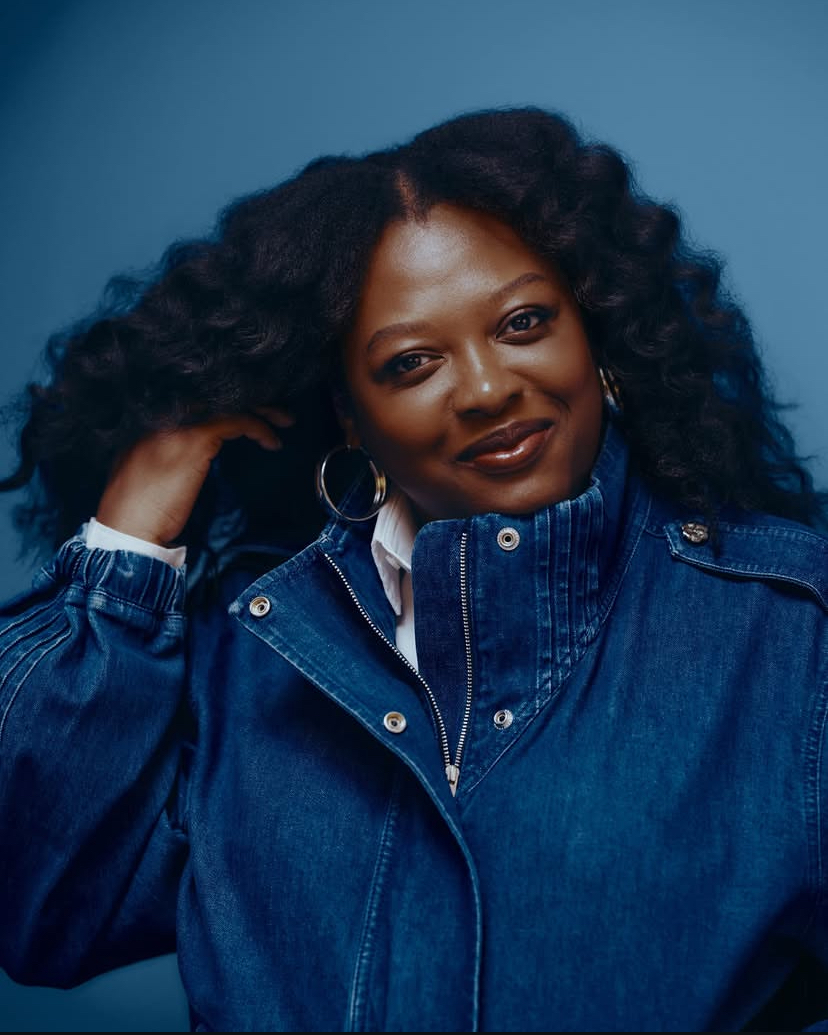
From the vibrant colors of Haiti to New York Fashion Week, Waina Chancy is building a distinctive fashion language through Atelier Ndigo — one shaped by heritage, architectural design and an uncompromising love of color.
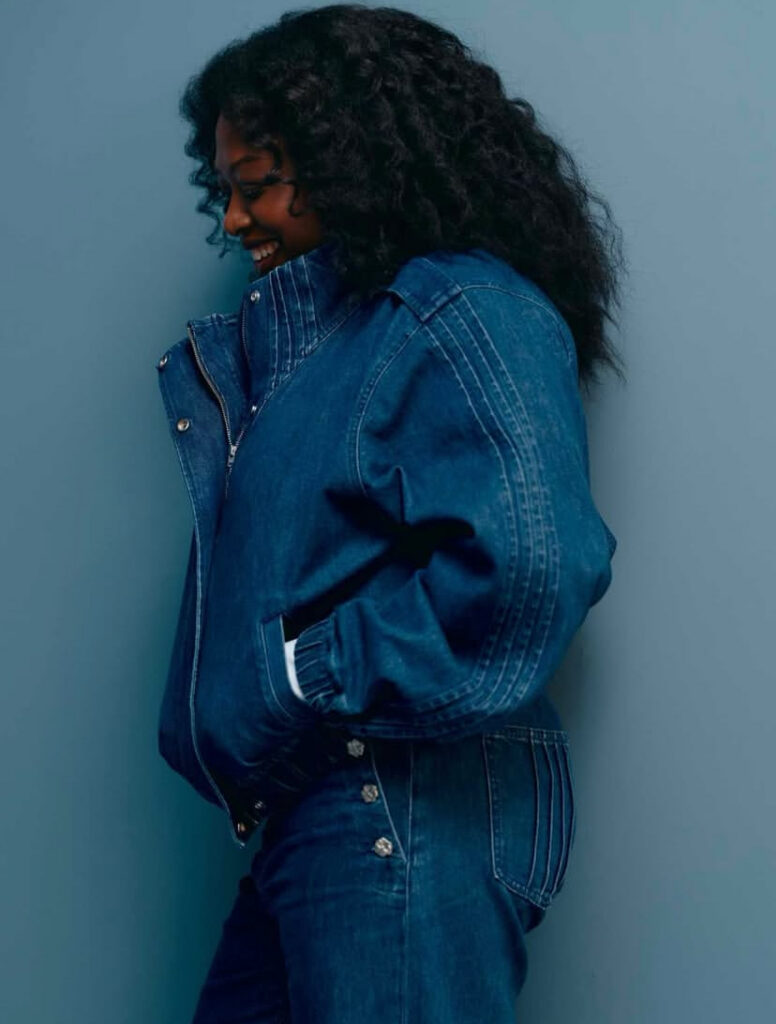
For Waina Chancy, fashion is not simply about creating clothes. It is a way of translating culture, memories and identity into form.
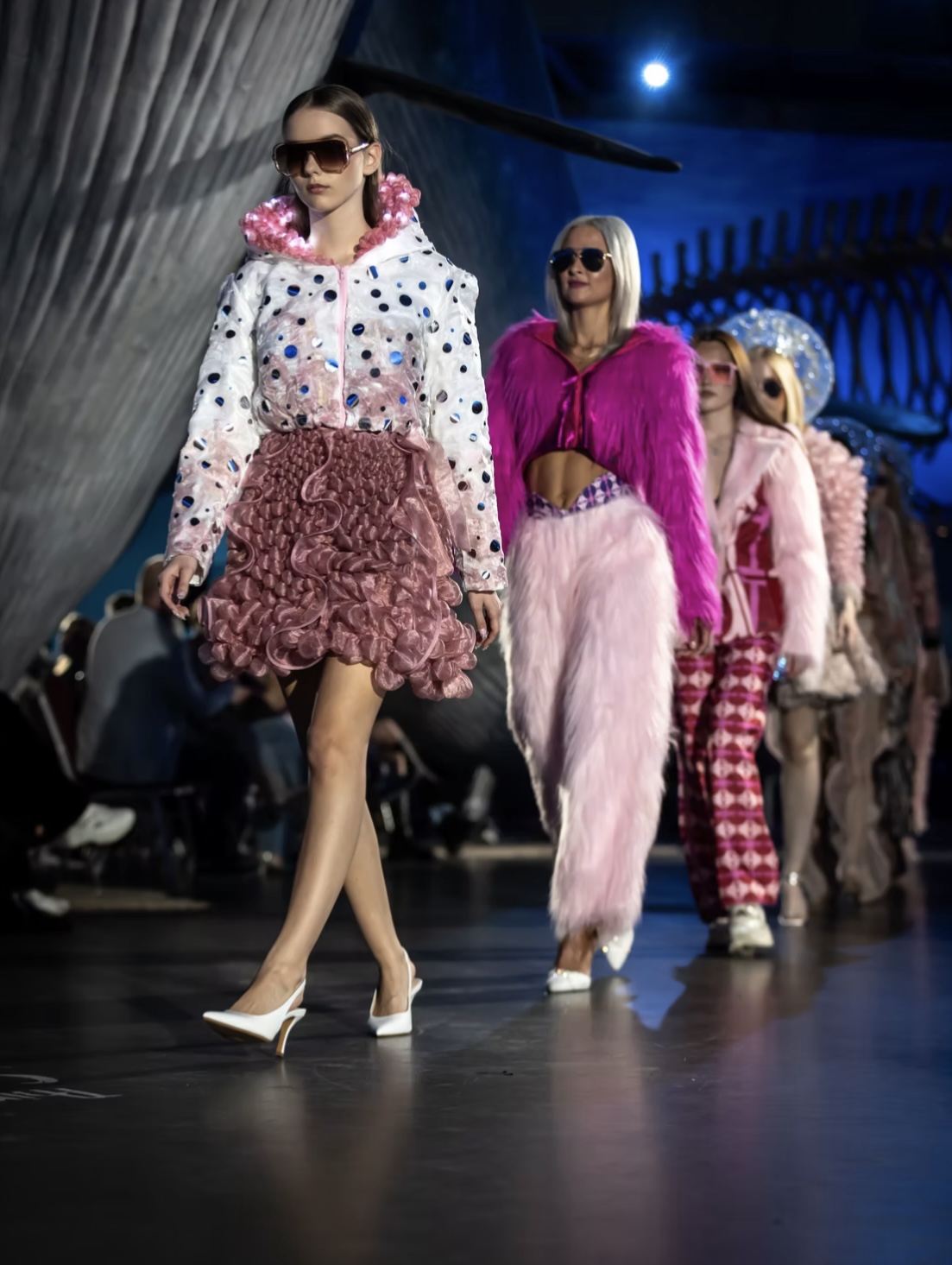
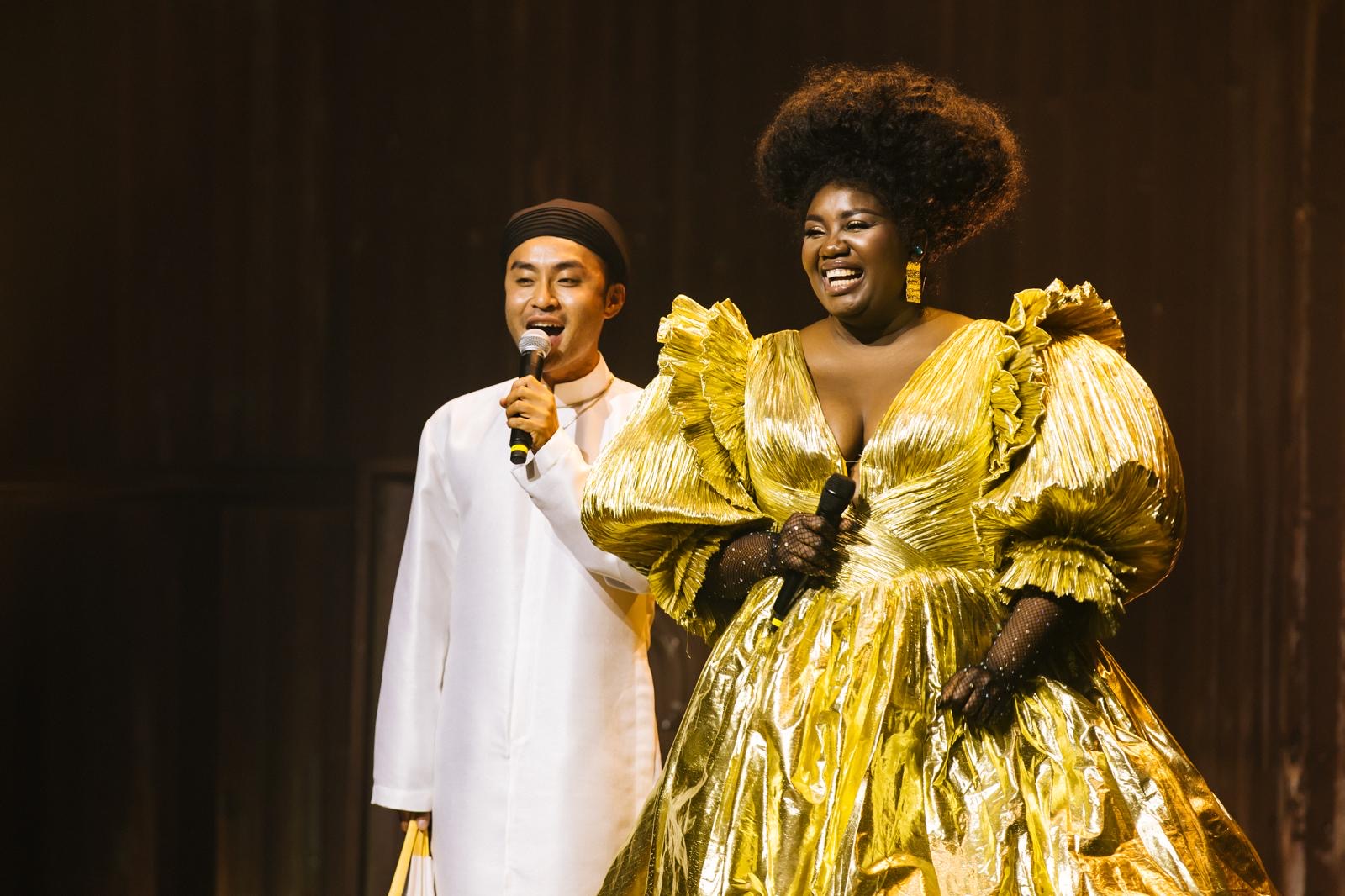
The Haitian-born designer behind Atelier Ndigo has developed a recognizable aesthetic built around rich textiles, bold color and architectural silhouettes. Her pieces often blur the line between clothing and sculpture, transforming delicate fabrics into structured designs that feel both feminine and expressive.
Today, Chancy’s work is increasingly visible across the American fashion landscape, from Harlem’s Fashion Row and Gap to projects involving Nike and Foot Locker. Yet behind each new opportunity is a creative identity that has remained closely connected to Haiti.
From Ndigo Studio to Atelier Ndigo
Chancy’s path in fashion began well before the launch of her own label. She studied at the Miami International University of Art & Design, where she met designer Viviane Valerius. The two became friends and, years later, decided to build a brand together.
In February 2021, they launched Ndigo Studio, a women’s ready-to-wear label centered on vibrant color and sculptural design. By then, Chancy had already spent years working as a stylist, while Valerius had developed experience in bridal and eveningwear.
Their shared project emerged during the pandemic, when a temporary slowdown in their respective careers gave them the opportunity to finally bring their creative vision to life.
The brand quickly established its signatures: saturated colors, pleating, fringe and unconventional shapes. From the beginning, Chancy and Valerius approached fashion with a sense of joy and visual freedom, deliberately moving away from the muted minimalism that had dominated much of the industry.
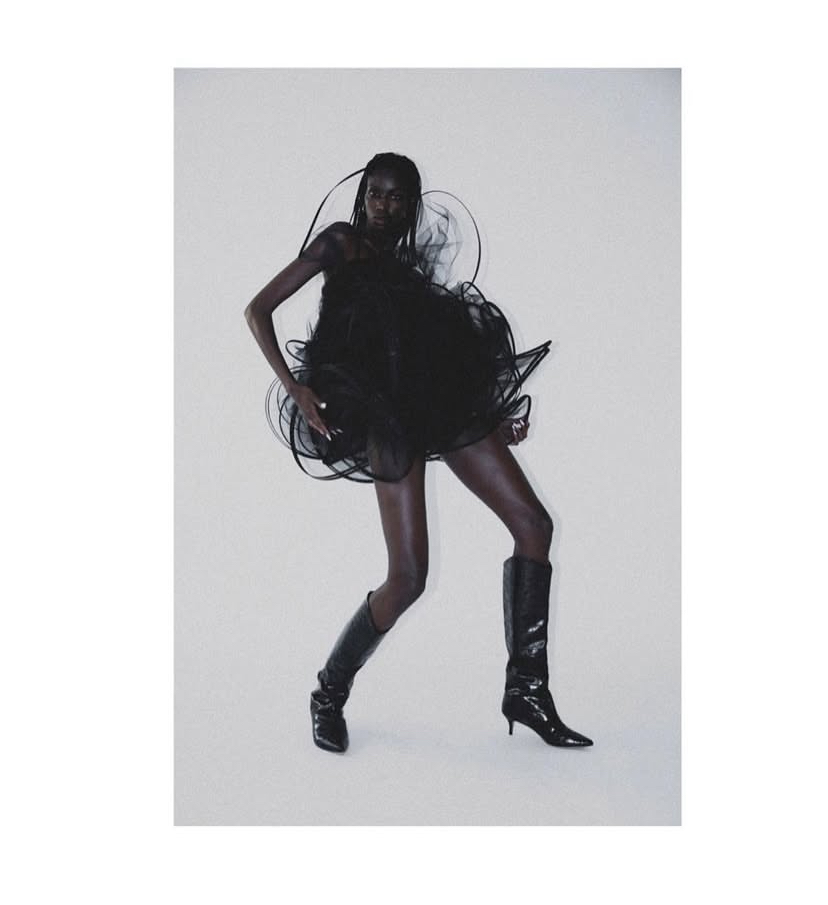
Today, the brand is known as Atelier Ndigo, with its official platform identifying Waina Chancy as it founder. Its universe continues to focus on craftsmanship, artistic expression and architectural construction.
Credit: Tommy Chung
Haiti at the Heart of the Story
Color is central to Atelier Ndigo, but for Chancy, it carries a deeper meaning.
Her Haitian roots have long influenced her approach to fashion, from the vibrancy of the Caribbean to the personal memories that continue to shape her creative references. Rather than using heritage as a decorative element, Chancy incorporates it into the visual language of the brand.
That connection became particularly visible in the 2026 Gap × Harlem’s Fashion Row collection, where she drew inspiration from the Choublak the hibiscus flower.
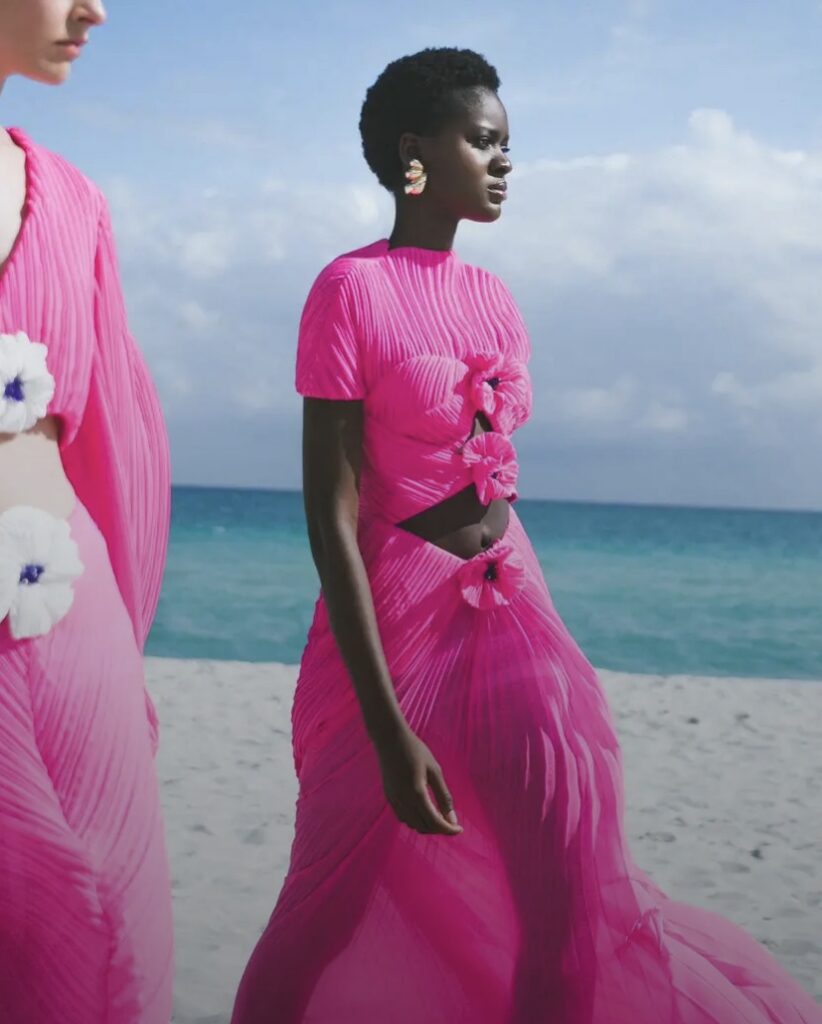
The flower holds a personal meaning for Chancy, recalling the hibiscus that grew in her mother’s garden in Haiti and memories connected to her childhood. She translated that reference into floral embroidery and button detailing across her denim designs.
It is a clear example of what makes her work distinctive: taking something intimate and culturally specific and transforming it into contemporary fashion.
Building Visibility in American Fashion
Atelier Ndigo’s distinctive point of view began receiving wider attention soon after its launch.
In 2022, Ndigo Studio participated in the Black in Fashion Council Discovery Showroom, marking one of the young label’s early industry presentations.
That same year, BET highlighted Atelier Ndigo during its New York Fashion Week coverage of Black designers, placing the brand among a wider generation of Black creatives gaining visibility within American fashion.
A particularly important relationship would later develop with Harlem’s Fashion Row, the organization founded by Brandice Daniel to create greater access and business opportunities for designers of color.
In September 2025, Chancy presented Atelier Ndigo’s Spring/Summer 2026 collection during Harlem’s Fashion Row’s 18th Annual Fashion Show & Style Awards.
She was also an ICON360 grant recipient, receiving support toward the production of her collection and the continued development of the brand.
The relationship would soon lead to even larger opportunities.
Reimagining the Nike Air Force 1
In August 2026, Atelier Ndigo entered a new creative territory: sneaker culture.
Chancy was one of five Black designers selected by Harlem’s Fashion Row and Foot Locker to reimagine the iconic Nike Air Force 1 for HFR House on Martha’s Vineyard.
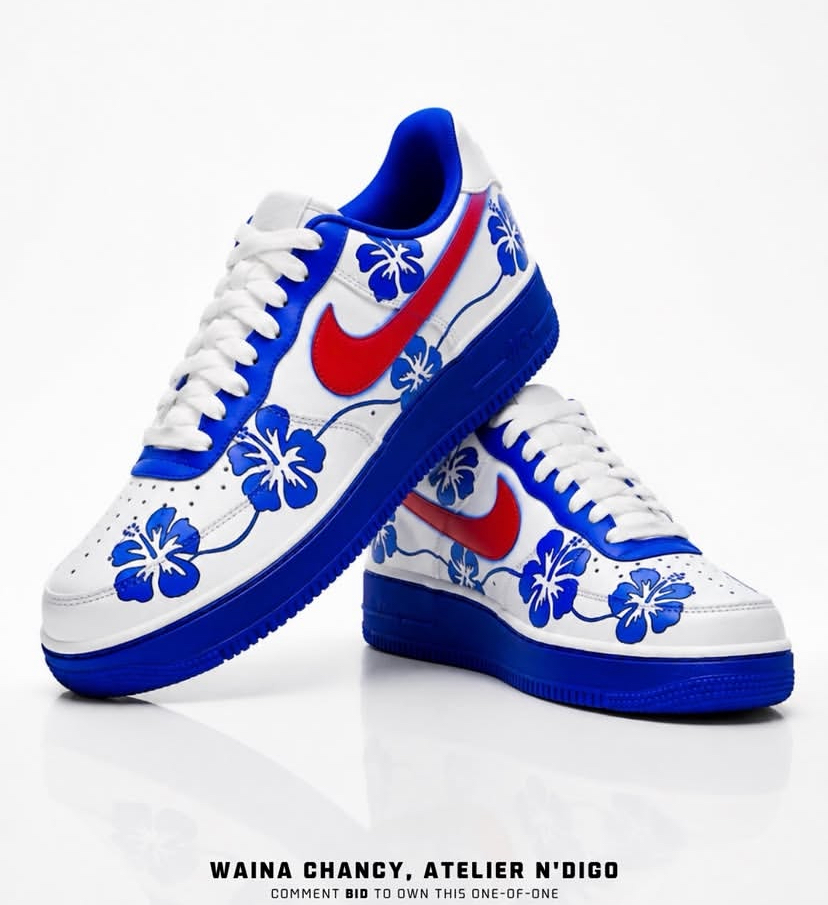
Each designer was invited to create a one-of-one version of the sneaker, using the Air Force 1 as a canvas for their individual creative perspective.
For Atelier Ndigo, the project offered Chancy another way to translate the brand’s design language beyond traditional ready-to-wear, bringing together fashion, cultural identity and wearable art.
The custom sneakers were later auctioned, with proceeds benefiting UNCF and its work supporting educational opportunities for students.
The project also demonstrated Atelier Ndigo’s ability to move across categories while maintaining a clear and recognizable identity.
A Full-Circle Moment With Gap
Only months earlier, another major collaboration had connected Chancy’s past with Atelier Ndigo’s future.
In February 2026, Gap and Harlem’s Fashion Row brought together five designers of color for a 20 piece collection centered around denim. Chancy joined Daveed Baptiste, LaTouché, Igdaliah Pickering and Nicole Benefield, with each designer creating a four-piece capsule through their own creative perspective.
For Atelier Ndigo, that meant approaching denim through architectural construction, feminine silhouettes and Haitian-inspired detailing.
Chancy’s capsule incorporated the Choublak throughout the collection, bringing a deeply personal cultural reference into one of the most recognizable materials in American fashion.
But the collaboration carried another layer of significance.
In the 1990s, one of Chancy’s first jobs after high school was at a Gap store in Miami. It was there that she developed an early fascination with denim.
Years later, she returned to the brand from an entirely different position: not as an employee, but as a designer invited to reinterpret its heritage through her own creative vision.
A full-circle moment and a reflection of how far her journey had come.
A $100,000 Investment in What Comes Next
September 2026 marked another turning point.
Chancy was selected alongside designers Lamin “Rey” Jaiteh and Chuks Collins for the inaugural Runway Ahead Designer Fellowship, created by the PVH Foundation in partnership with ICON360.
The program provided financial support as well as mentorship across areas including marketing, sourcing, merchandising, finance, production and design.
The three designers then presented their Spring/Summer 2027 collections at Harlem’s Fashion Row’s 19th Annual Fashion Show & Style Awards on September 8, 2026.
That evening ended with one of the most significant milestones of Chancy’s career so far.
She was named the winner of the inaugural Runway Ahead Prize, receiving $100,000 to help support the growth of Atelier Ndigo.
For a brand that began only a few years earlier, the recognition marked an important new chapter not only creatively, but also in its development as a growing fashion business.
Heritage as a Vision for the Future
It would be easy to tell Waina Chancy’s story through names alone: BET, Harlem’s Fashion Row, Gap, Foot Locker, Nike and PVH.
But that would miss what makes Atelier Ndigo compelling.
Across every new opportunity, Chancy continues to return to the elements that have shaped her creative identity from the beginning: color, architecture, craftsmanship, femininity and Haiti.
Whether she is working with denim, presenting a runway collection or reimagining an Air Force 1, her work demonstrates that cultural heritage does not need to remain fixed in the past. It can evolve, experiment and enter new spaces.
As Atelier Ndigo moves into its next chapter, Waina Chancy is not simply gaining visibility within fashion. She is building a creative language in which her Haitian heritage remains unmistakably present not as an accessory to the story, but as one of the forces driving it forward.