

The Voice That Began in the Trees: Nathalie Leonoff’s Journey to Becoming an Opera Icon
At ten years old, she stood alone in an attic, cassette recorder held toward a skylight. Below stretched a
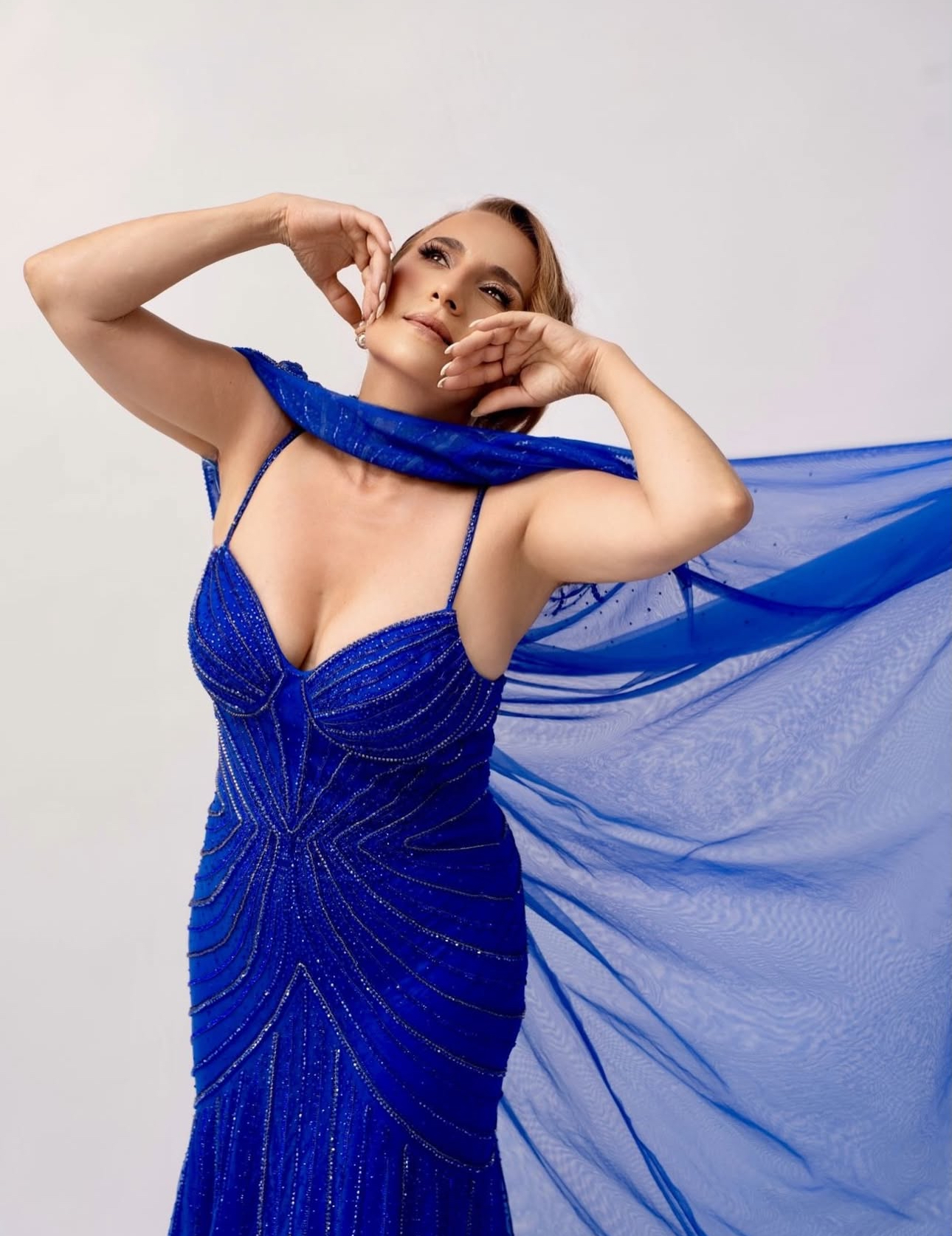
At ten years old, she stood alone in an attic, cassette recorder held toward a skylight. Below stretched a forest. Within it, the layered symphony of birdsong, each hour carrying its own melody. Dawn brought one song, dusk another, and the small hours of night revealed secrets no other time could hold. Young Nathalie Leonoff captured them all. And there, suspended between shadow and light and the voices of nature, a child made a vow to herself.
“One day, I’m going to sing like that.”
Decades have passed. She has sung beneath the Arc de Triomphe, performed before governments and dignitaries, delivered anthems before the world’s most powerful figures. Yet Nathalie knows now that this was never merely a wish. It was something far deeper: a certainty. ‘I knew, even as a little girl, that I would have a career like this,’ she reflects. ‘Why? Only God truly knows.’
The Years of Preparation
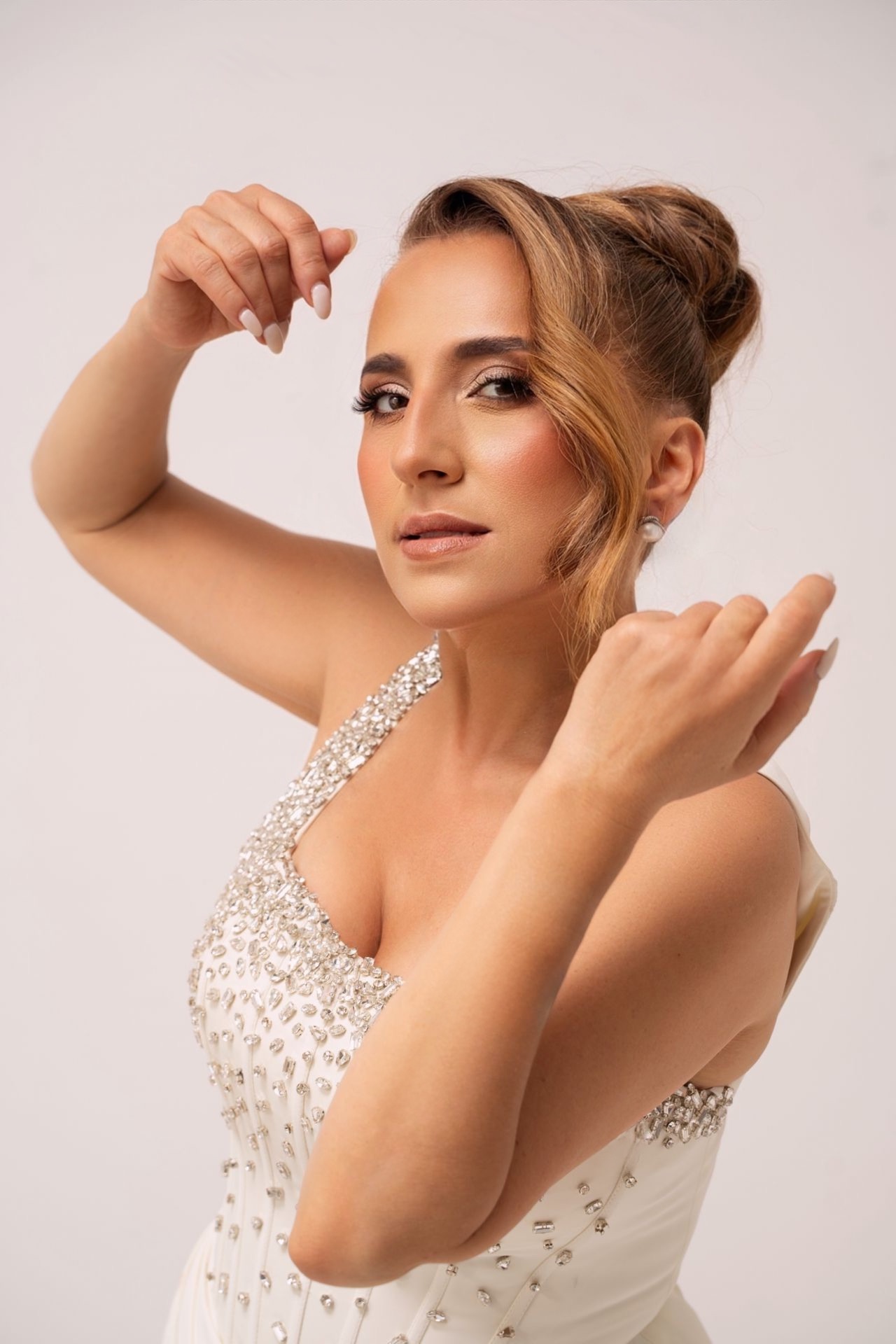
Her voice emerged at eight. Village festivals and local churches became her earliest stages, where she sang sacred hymns as a young chorister while the organ swelled beneath her voice. Her timbre was already distinctive, pure and commanding, and strangers would repeatedly tell her parents the same remarkable thing: this girl belongs in opera.
She recognized the truth in their words. But she also understood she wasn’t yet ready. Opera demands far more than gift, it requires relentless discipline: years of rigorous training, the intensity of an athlete’s regimen, sacrifice measured in decades rather than months. So she made a choice: to wait, and while waiting, to explore. She sang with a rock ensemble, though her repertoire drew from French standards rather than contemporary rock. She recorded songs from the radio and taught herself composition on that same modest recorder she’d once carried into the forest.
When she finally committed completely, she gave everything. She took on work to finance her lessons. She studied under a professor from the Paris Conservatoire, trained at the conservatory of Issy-les-Moulineaux, and spent years with a master vocal coach specially selected for her by the director of studies at the Opéra Bastille. Fortune smiled upon her through these mentors, most notably Maurice Panigel, a respected scientist who became her second father and saturated her formative years in classical music. ‘He pushed me upward,’ she says simply. This encounter remains among her most treasured. For she holds one absolute conviction about this profession: raw talent is insufficient. ‘You can have a beautiful voice,’ she says, ‘but if you don’t make the right encounters, it’s complicated.’
Building an Empire with Determination
Nathalie Leonoff’s path to prominence began not through industry connections, but through sheer audacity and methodical persistence. In the early era of the internet, she purchased business directories from major retailers, filling pages with artistic directors, critics, promoters, and industry insiders across France. She organized this wealth of contacts into a personal address book. Then, with quiet resolve, she spent two months composing approximately five thousand individual emails, each one personally introducing a soprano the world had yet to discover.
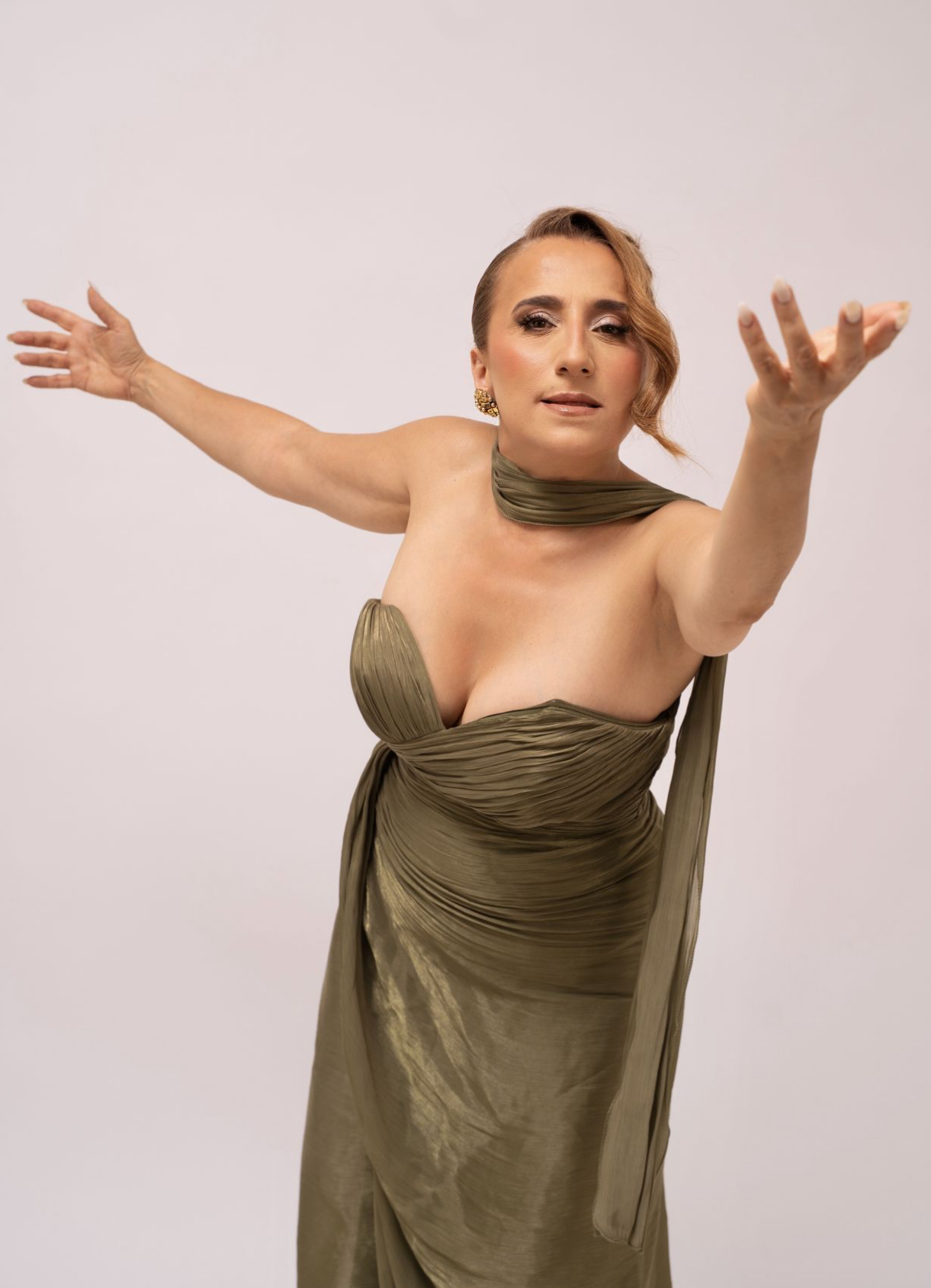
The response was extraordinary. Interest materialized. Opportunities emerged. Concert invitations arrived. What unfolded thereafter reads like a richly stamped passport. She delivered recitals in elegant opera salons for major corporations across Paris. She commanded stages before thousands at the legendary Château de Chambord. She performed across European concert halls and aboard luxury cruises sailing past the glaciers of Greenland, Iceland, Norway, and the Faroe Islands. An accomplished composer and performer in her own right, she mastered a repertoire expansive enough to seamlessly transition from a high fashion runway to the demanding arias of Puccini, performing in multiple languages, drawing equally from operatic masterpieces and her own original compositions.
The Source of Her Resilience
Audiences and colleagues have posed the same question to Nathalie countless times: what generates such courage, such determination, such absolute refusal to surrender? For years she kept the answer private. She shares it now, she says, because its significance cannot be overstated.
Nathalie was relinquished at birth. At nine days old she was given into the custody of the French State. Her childhood was spent navigating a series of orphanages, foster homes, and state institutions spread across France, with none of the anchors most people inherit, no biological family to claim as her own.
Her vocal coach, the same master musician selected for her by the Opéra Bastille’s director, once shared an observation she has carried with her ever since. ‘If you have this courage and this voice today, it is no accident. Without that past, you would not have this timbre. Everything can be heard in your voice.’ Perhaps that is the real foundation of her strength. ‘You have to keep moving forward,’ she says, ‘even when life isn’t simple at the start. You simply persist.’

Anthems and Impossible Challenges
When the calls from governments came, she answered them all.
She was entrusted with the anthems of nations. French, German, English, European. The Spanish anthem, famously lyricless, became pure vocalization in her voice. She stood beneath the Arc de Triomphe facing the Champs-Élysées to deliver La Marseillaise without accompaniment. She performed it again in government ministry offices.
She conquered languages beyond her fluency. Summoned to Niger by renowned designer Alphadi to inaugurate the International Festival of African Fashion. Invited to Morocco to sing both the Moroccan and Nigerien national anthems, the former in Arabic, a language entirely foreign to her, requiring two and a half months of intensive preparation. ‘I’m proud of that,’ she says. She remembers too the evening she performed for Niger’s President.
Yet when asked what truly matters, she turns not toward palaces and power.
She brought opera into the walls of Meaux prison, accompanied only by a pianist, singing before an audience of inmates. She performed for dying children at Paris’s Necker children’s hospital, an evening during which, witnesses claimed, the very boundaries of the room seemed to dissolve. She sang for the homeless through la Mie de Pain, a Paris based charity, alongside composer Jean Jacques Debout. ‘It’s the human connections you forge along the way,’ she says, ‘that hold the genuine meaning.’
The Discipline of a Lifetime
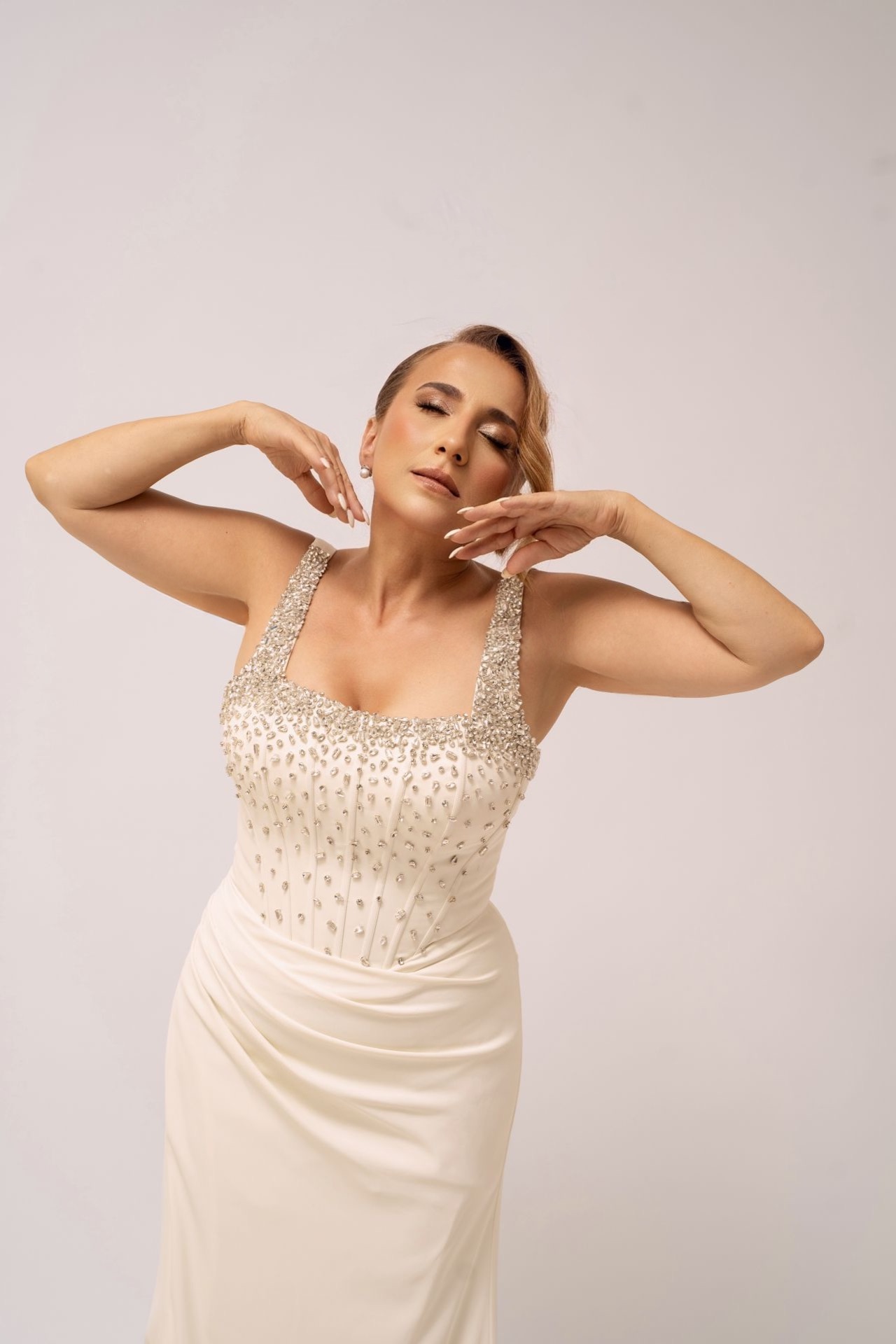
Nathalie speaks of her profession with the precision of an Olympic athlete discussing their discipline. The voice is a muscle, extraordinary in its power, yet precarious in its fragility. Neglect the daily work and it deteriorates. So she rehearses. Every single day. Without exception.
This commitment demands its toll, and she pays it willingly. Her life as a romantic partner has largely been deferred for the stage and the touring schedule. ‘Nothing emerges from nothing,’ she says. ‘I worked with extraordinary intensity. I surrendered much. And I regret absolutely nothing.’
The most brutal challenges have come from forces beyond her control. The pandemic obliterated an entire season of performances overnight. The contemporary instability affecting arts funding across France and Europe continues to constrain resources, with performances announced only to be rescinded at the eleventh hour. The concert schedule has contracted. Yet abandoning a lifetime of achievement? Impossible. ‘I didn’t reach this pinnacle to surrender it now.’